
Our Approach

Communication Care That Sees the Whole Child

A child’s communication cannot be understood through a test score alone. Their relationships, culture, languages, environment, interests, strengths, and lived experiences all shape how they connect with the world.

At Hand in Hand Speech Therapy, we look beyond the diagnosis to understand the child in front of us.

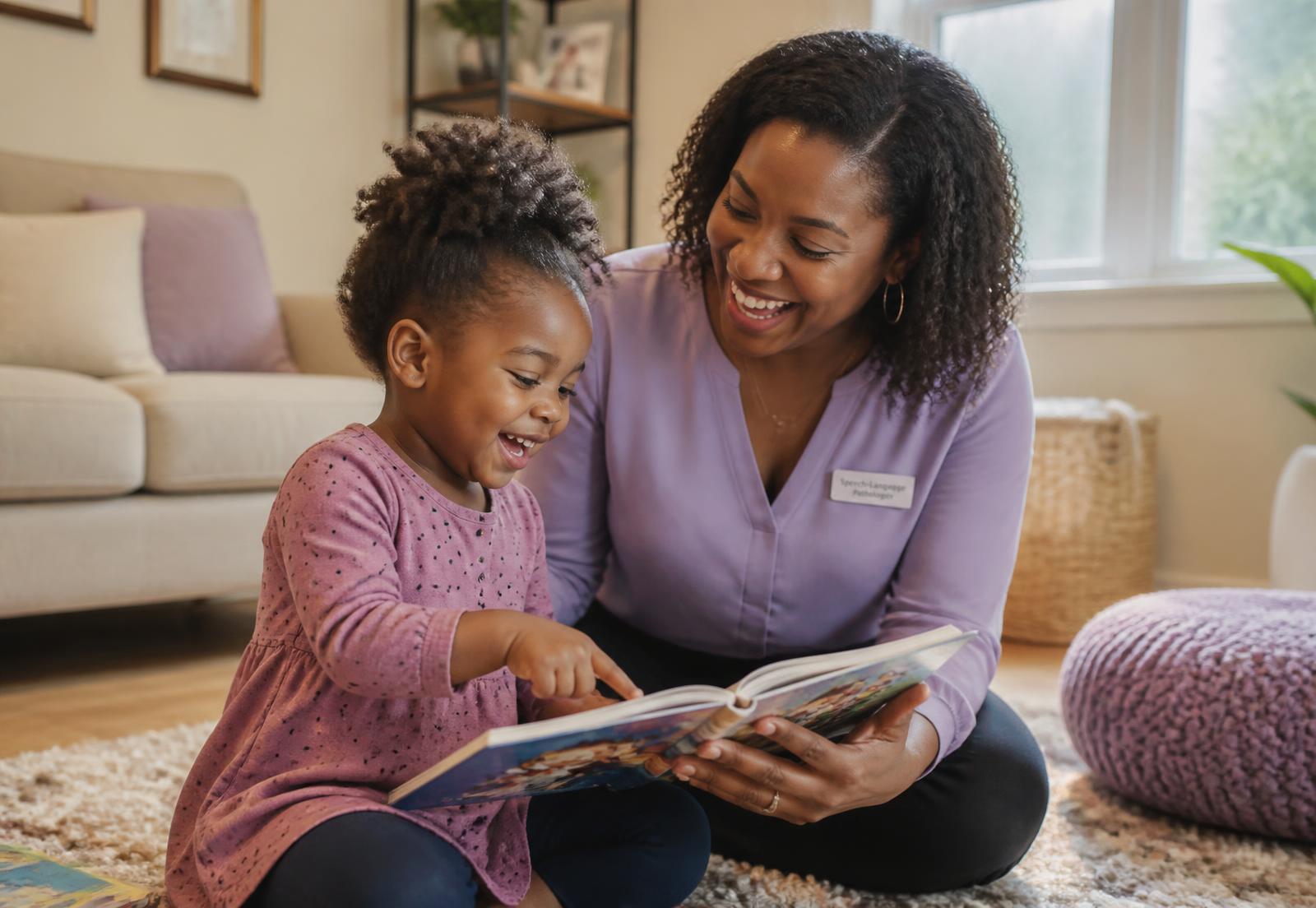
A speech and language pathologist and a young child sharing a picture book.
↓   Scroll

Why We Exist

At Hand in Hand Speech Therapy, we believe every child deserves a voice, and every family deserves a partner who will fight alongside them to make it heard.

Our mission is to dismantle the barriers that keep children in underserved communities silent. We deliver high quality, culturally responsive speech and language services directly to families in their homes, schools, and neighborhoods because zip codes should never determine a child's ability to communicate.

We serve the families others overlook: parents navigating systems in languages they're still learning, communities labeled as “service deserts,” and children on 18 month waiting lists while critical developmental windows close. For these families, we are advocates, guides, and unwavering allies.

Through evidence based interventions and collaborative care, we unite clinicians, educators, families, and community partners to accelerate progress and create lasting change. Our sliding scale model ensures financial constraints never silence potential. Our multilingual capabilities mean language barriers never block access. Our commitment to going where we're needed means geography never limits opportunity.

We don't just treat communication disorders. We restore dignity, build confidence, and empower families to become fierce advocates for their children.

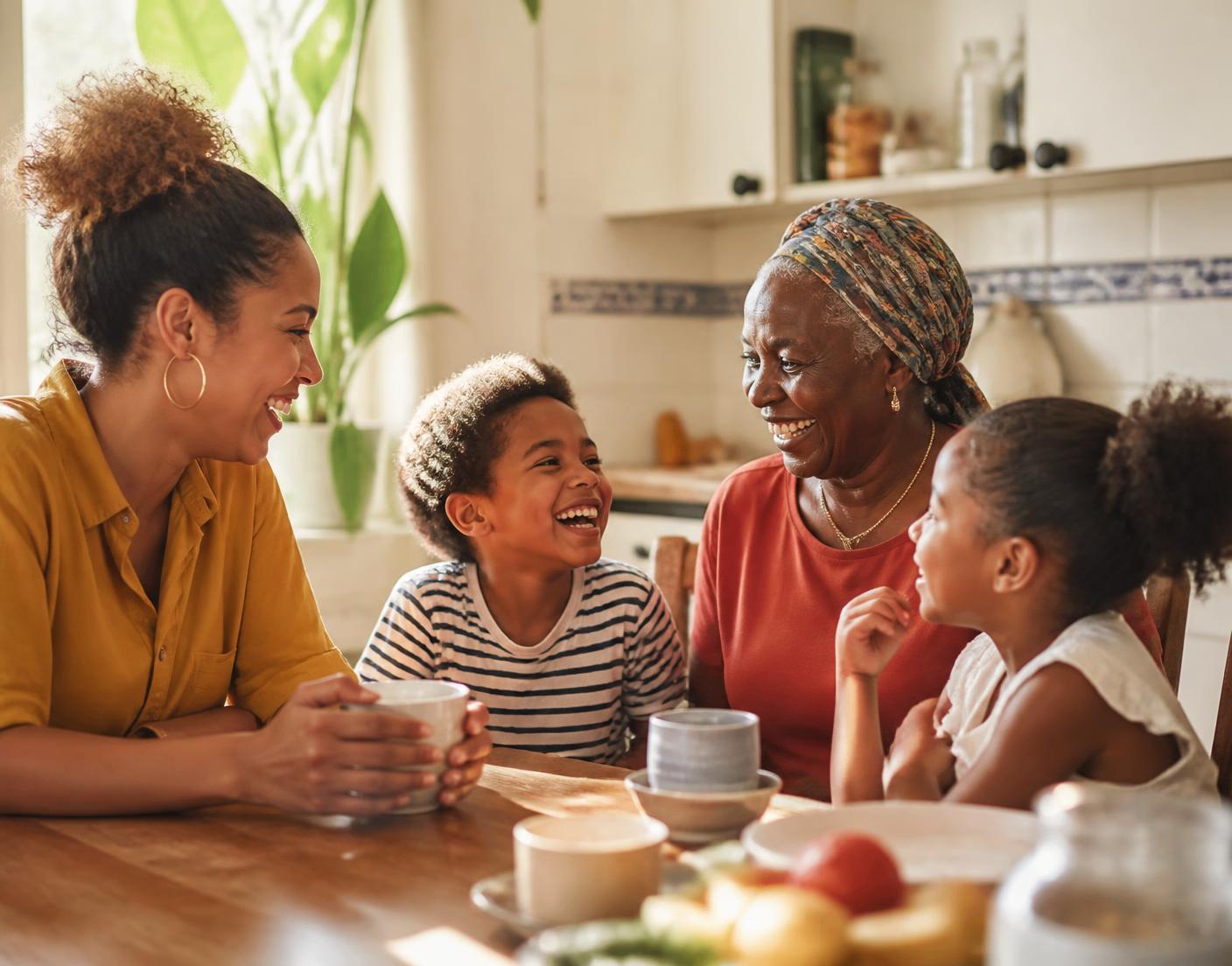
A multigenerational family talking and laughing together around a table.
Because effective communication isn't a privilege. It's a fundamental human right.

The Hand in Hand Clinical Approach

Individualized care begins with understanding the whole child.

A toddler leading play while an adult follows the child's lead.
01

Child Led & Strengths Based

We begin with what a child can already do.

Their interests, relationships, preferred activities, communication style, and strengths become the foundation for building new skills.

For one child, meaningful communication may happen during imaginative play. For another, it may happen through movement, music, books, AAC, gestures, or everyday routines.

Rather than asking children to fit into therapy, we shape therapy around the child.
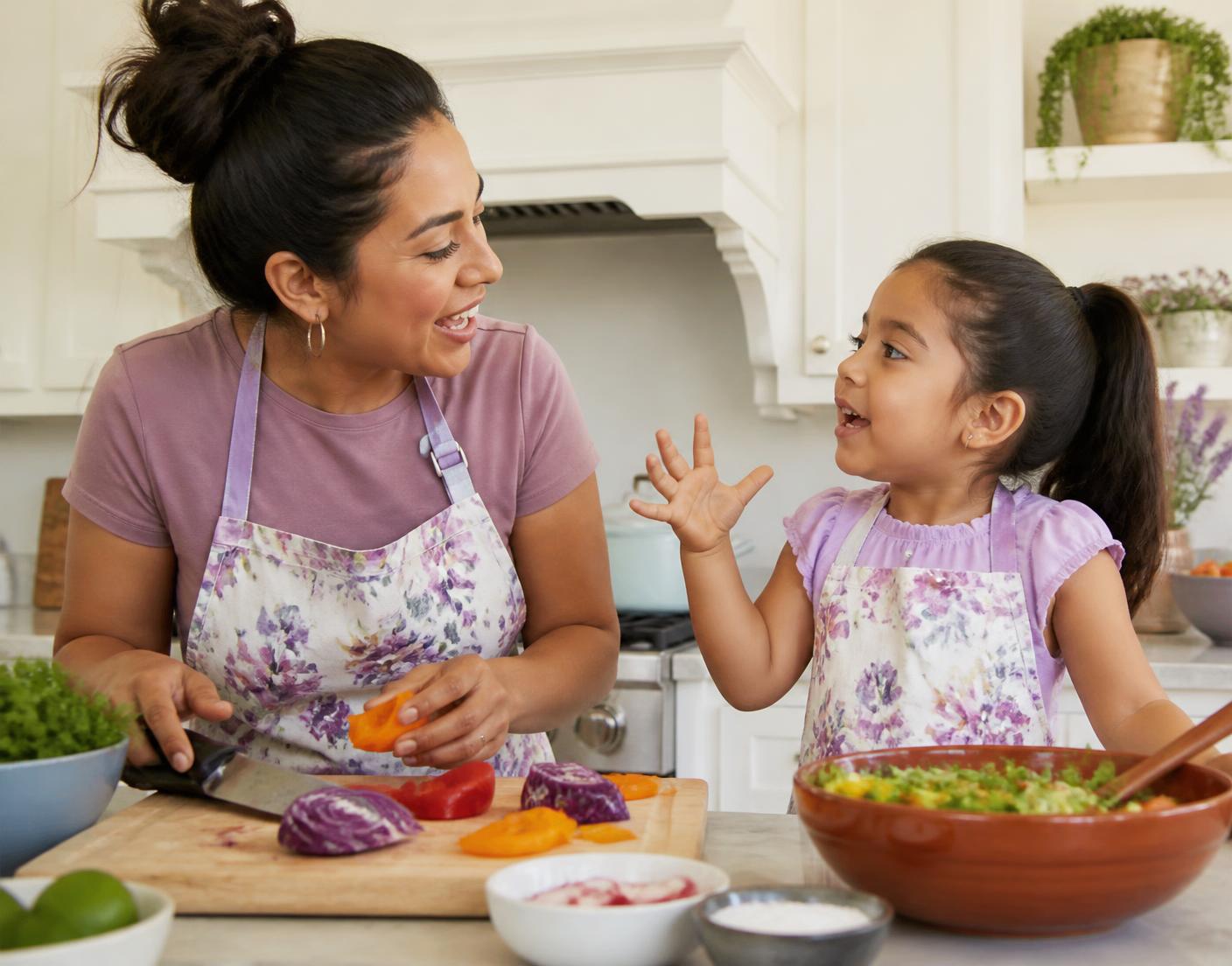
A multilingual mother and daughter preparing food together.
02

Culturally & Linguistically Responsive

Language is never evaluated in isolation from culture.

We examine communication in the context of each child’s unique language experiences, whether they speak one language or multiple languages.

We consider language exposure, language dominance, caregiver input, cultural communication patterns, developmental history, and performance across settings when making clinical decisions.

Our goal is to distinguish a true communication disorder from a language difference whenever possible and to protect the languages that connect children to their families, communities, and identities.

Home language is not something children need to overcome. It is part of who they are.

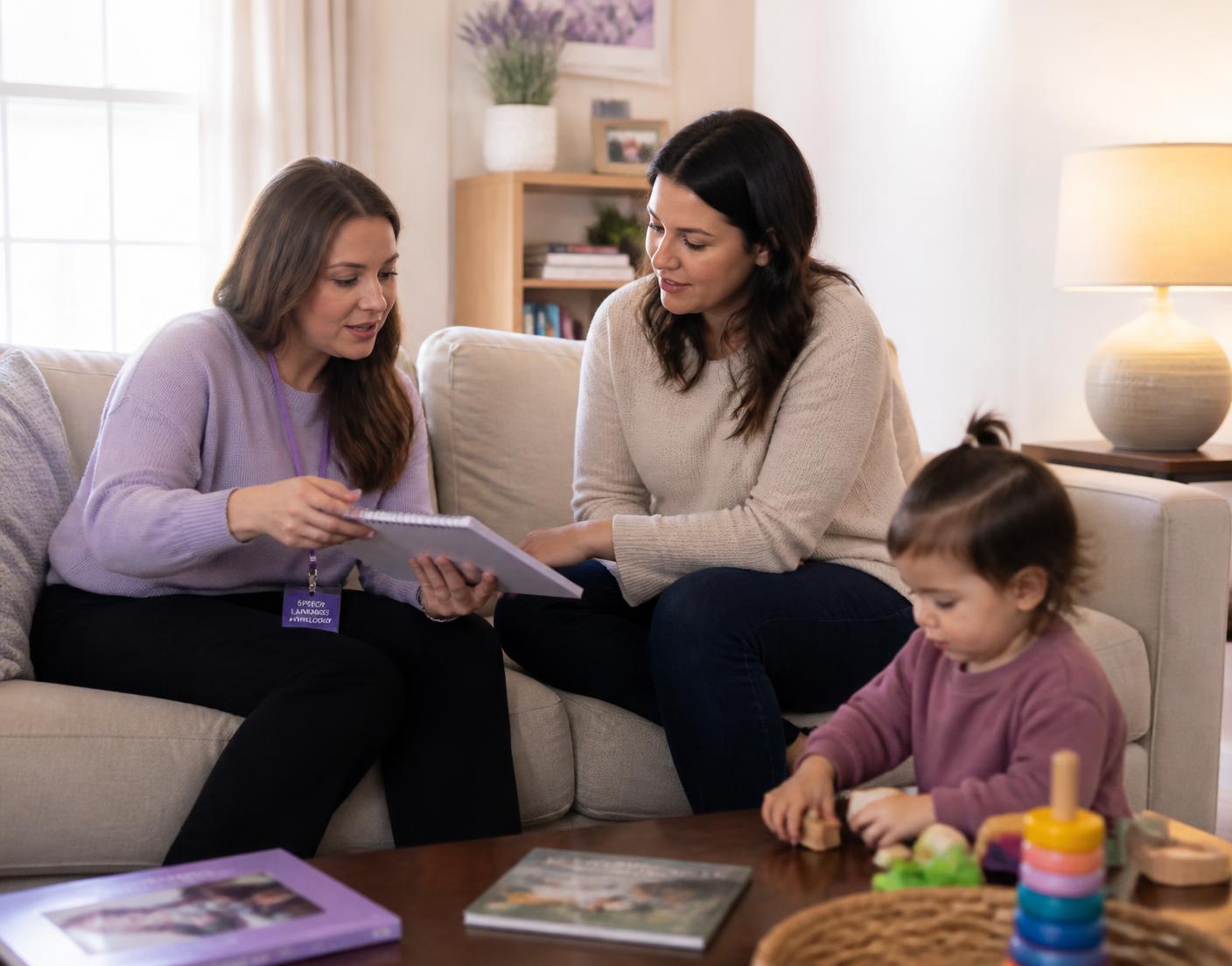
A speech and language pathologist reviewing notes with a caregiver.
03

Family Centered

Parents and caregivers know their children in ways no assessment ever could.

That’s why families are active members of the therapeutic process, not observers sitting outside of it.

We explain what we’re seeing, teach practical strategies, answer questions, listen to family priorities, and help caregivers understand how to support communication during everyday life.

Because a powerful therapy strategy becomes even more meaningful when a family knows how to use it at breakfast, bath time, bedtime, playtime, and everywhere in between.

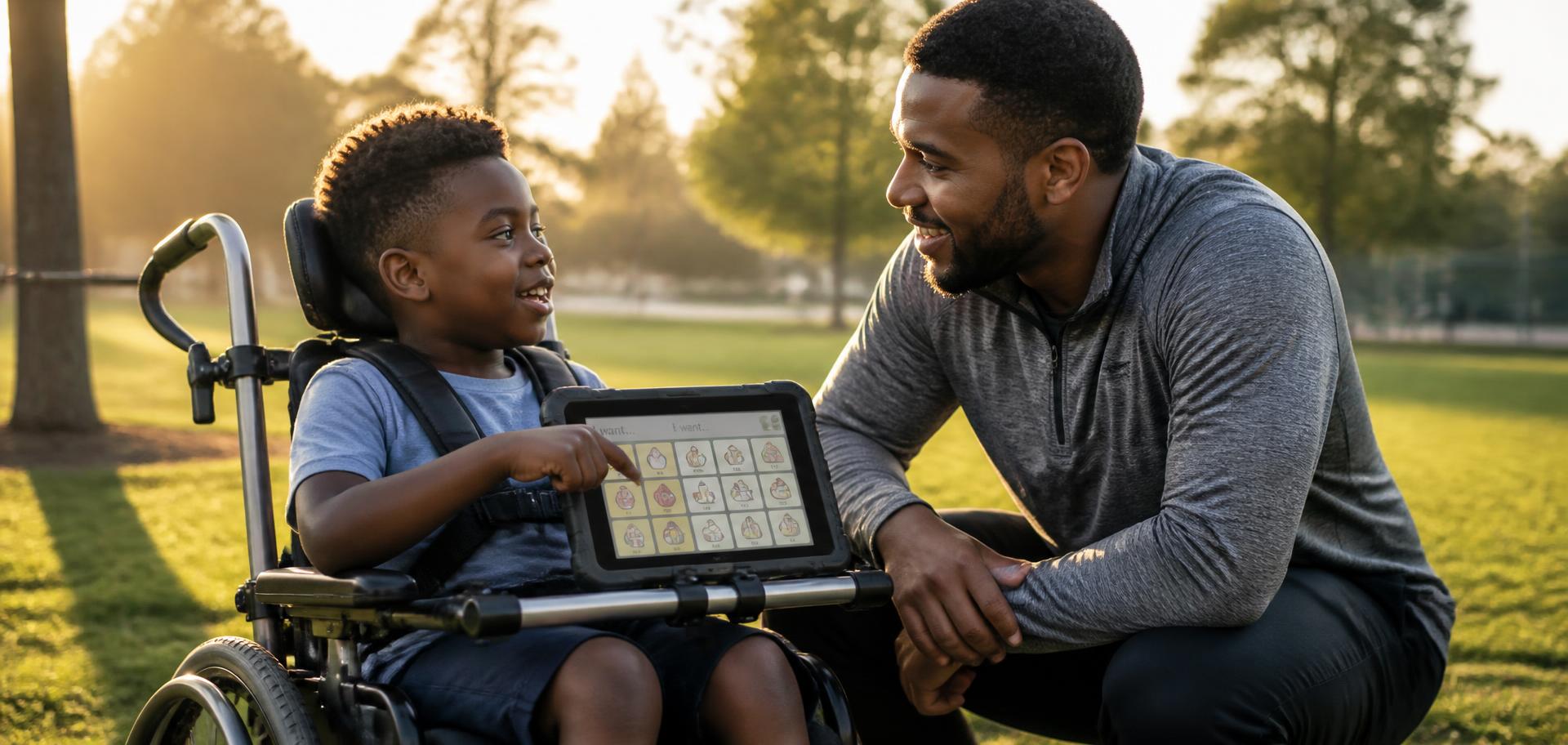
A father supporting his son as the child uses an AAC device outdoors.
“Every child deserves more than a seat at the table. They deserve to know their voice belongs there.”
04

Evidence Based & Individualized

Evidence based practice does not mean applying the same protocol to every child.

We integrate current research, clinical expertise, assessment findings, ongoing data, developmental expectations, caregiver priorities, and the child’s individual communication profile.

Goals evolve as the child evolves. Treatment should too.

05

Multimodal Communication

Communication is bigger than speech. Children communicate through:

  • spoken words
  • gestures
  • facial expressions
  • signs
  • body language
  • pictures
  • visual supports
  • AAC systems
  • movement
  • vocalizations

When appropriate, we support multiple forms of communication so children have meaningful ways to express themselves while their communication skills continue developing.

The goal is not to restrict how a child communicates. The goal is to give them more ways to be understood.

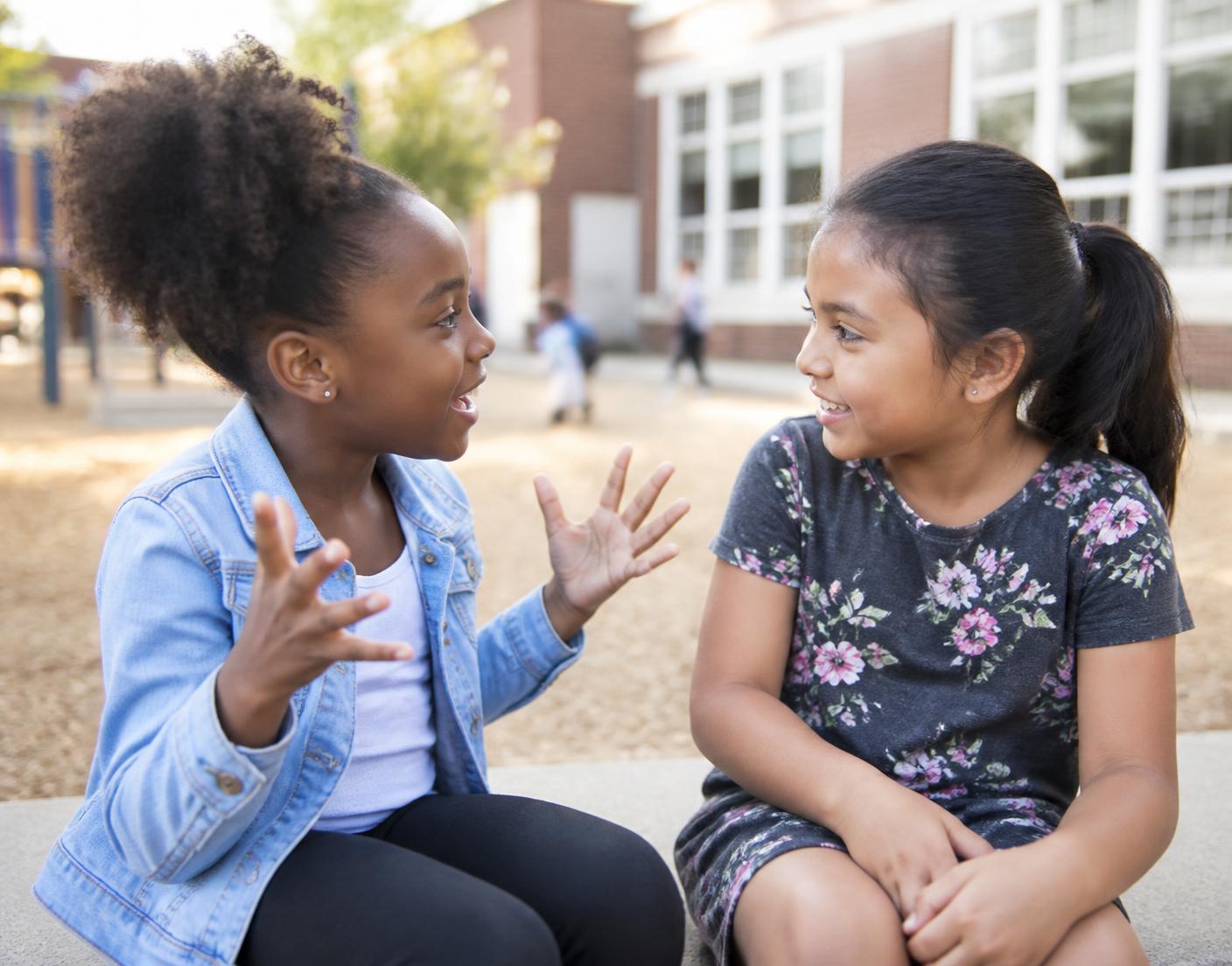
Two school aged children talking together outside their school.
06

Real World Communication

Success should extend beyond the therapy room.

We measure progress by a child’s ability to participate more fully in everyday life: communicating wants and needs, sharing ideas, connecting with caregivers, playing with peers, participating at school, advocating for themselves, and being understood by the people who matter to them.

We measure success by participation and functional communication, not simply accuracy during structured therapy activities.

Because communication is not something children perform for a therapist. It is something they use to belong in the world.

What This Can Look Like

Individualized Care in Practice

Individualization is more than a philosophy. It changes what we do.

The multilingual preschooler

A child may communicate differently across English and their home language. Instead of judging communication through English alone, we examine the child’s broader linguistic profile, family observations, language exposure, and communication across environments.

Explore Bilingual Evaluations

The minimally speaking child

A child may have ideas to share long before spoken language makes those ideas easy to express. Speech therapy may include gestures, visuals, caregiver modeling, play, signs, AAC, and spoken language development together.

AAC Evaluations & Training

The child who communicates beautifully at home but struggles elsewhere

Communication can change depending on the environment, communication partner, demands, comfort level, and sensory needs. Understanding those differences helps us create goals that matter beyond the therapy session.

Explore Speech Therapy Services

The family asking, “What can we do at home?”

Families should leave therapy understanding more than what happened during the session. They should understand how to create meaningful communication opportunities throughout everyday routines.

Family Coaching

The Values Behind the Work

Core Values

Our clinical decisions are shaped not only by what we know, but by what we believe children and families deserve.

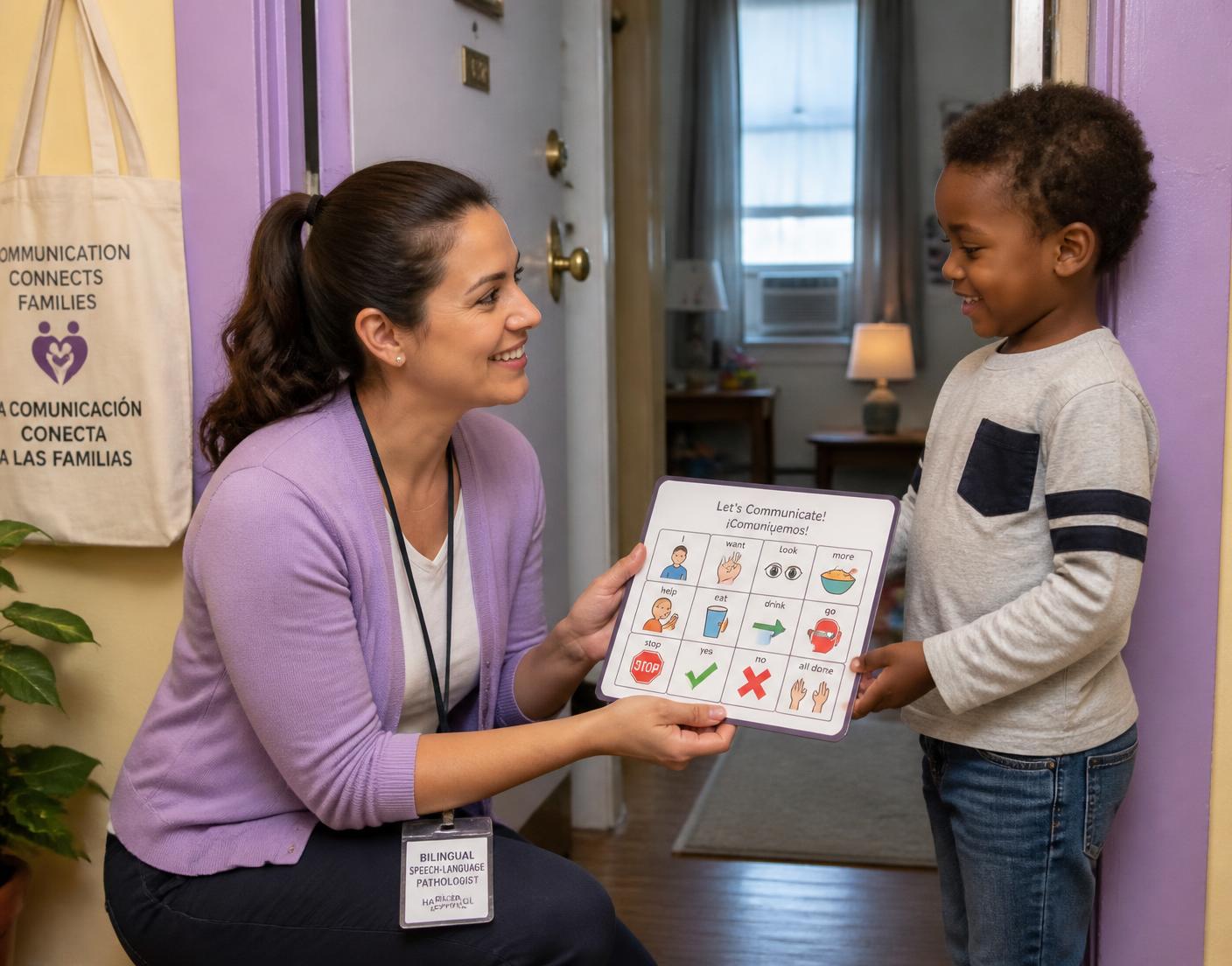
A bilingual speech and language pathologist supporting a family at home.

Equity Through Action

We don't just believe in equal access. We create it. Through sliding scale fees, multilingual services, and community based care, we ensure zip codes, income, and language never determine a child's right to communicate. We go where others won't, serve families others overlook, and remove barriers that keep children silent. For school districts, partnering with us means partnering with a provider actively closing achievement gaps in the communities that need it most.

A multigenerational family talking together around a table.

Community Centered Partnership

Parents are their child's first and most powerful teachers. We empower families and educational staff as true partners, providing the knowledge, strategies, and confidence to support communication every single day, not just during therapy sessions. We listen deeply, honor cultural values, respect home languages, and coach caregivers to navigate systems with strength and clarity. Our approach strengthens collaboration between home and school and maximizes student outcomes.

A speech and language pathologist reviewing a child's plan with a caregiver.

Excellence Without Exception

We hold ourselves to the highest clinical and ethical standards because every child deserves nothing less. Through evidence based practice, continuous professional development, culturally responsive assessment, and bilingual expertise, we deliver therapy that is both scientifically sound and deeply human. We don't compromise quality for caseloads or cut corners for profits. We do the right thing, every time, for every child. Our 100% contract renewal rate reflects this unwavering commitment.

Two children sitting outside their school and talking together.

Beyond the Therapy Session

Communication Doesn’t Stop When the Session Ends

Children communicate across entire ecosystems: at home, at school, in their communities, and with the people who matter most to them.

That is why meaningful intervention may include collaboration with:

  • parents and caregivers
  • teachers
  • school teams
  • physicians
  • occupational therapists
  • behavioral providers
  • early childhood professionals
  • other members of a child’s care team

Our goal is not simply to help a child demonstrate a skill during therapy. Our goal is to help communication become easier, more meaningful, and more functional across their everyday life.

Community Impact

Building Voices, Transforming Communities

Hand in Hand Speech Therapy was built to serve families too often left behind, including immigrant families, multilingual households, low income communities, and neighborhoods where quality pediatric care remains out of reach.

2025 Series 1 Winner, Ponce Bank Small Business Bootcamp

Recognizing our commitment to innovation, equity, and sustainable community impact.

Read more

Hundreds of monolingual and bilingual evaluations in the past year

Completed across NYC, Long Island, and surrounding areas through Early Intervention, school districts, and private services.

Explore evaluations

Haitian Creole • Spanish • French

Our administrative staff is fluent in these languages, connecting with families in the languages they trust most.

Bilingual evaluations

Our impact isn't measured only in numbers. It is reflected in what families tell us. Parents share that they finally feel heard, see real progress, and understand systems that once felt impossible to navigate. They tell us we're the first practice that honors their child's language, culture, and identity, where they feel valued and not overlooked.

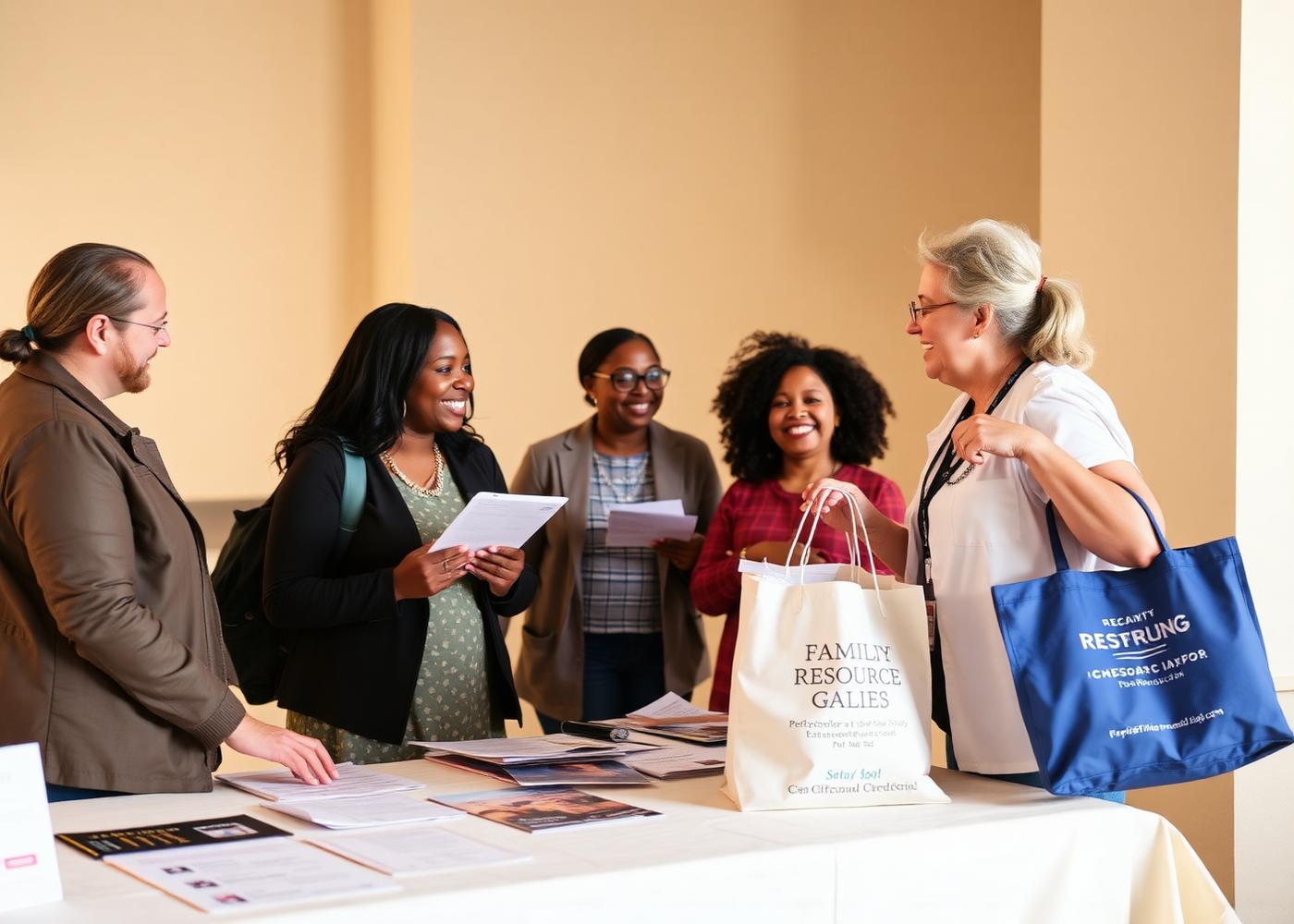
Families gathered at a community event.

This work is urgent.

Children in underserved neighborhoods often wait months or years for evaluations, and every delay closes critical developmental windows that never reopen. Early intervention changes lives, but delayed access creates lifelong challenges.

We exist to close that gap today by turning private service deserts into communities where every child's voice can be heard.

See Our News, Awards & Community Impact
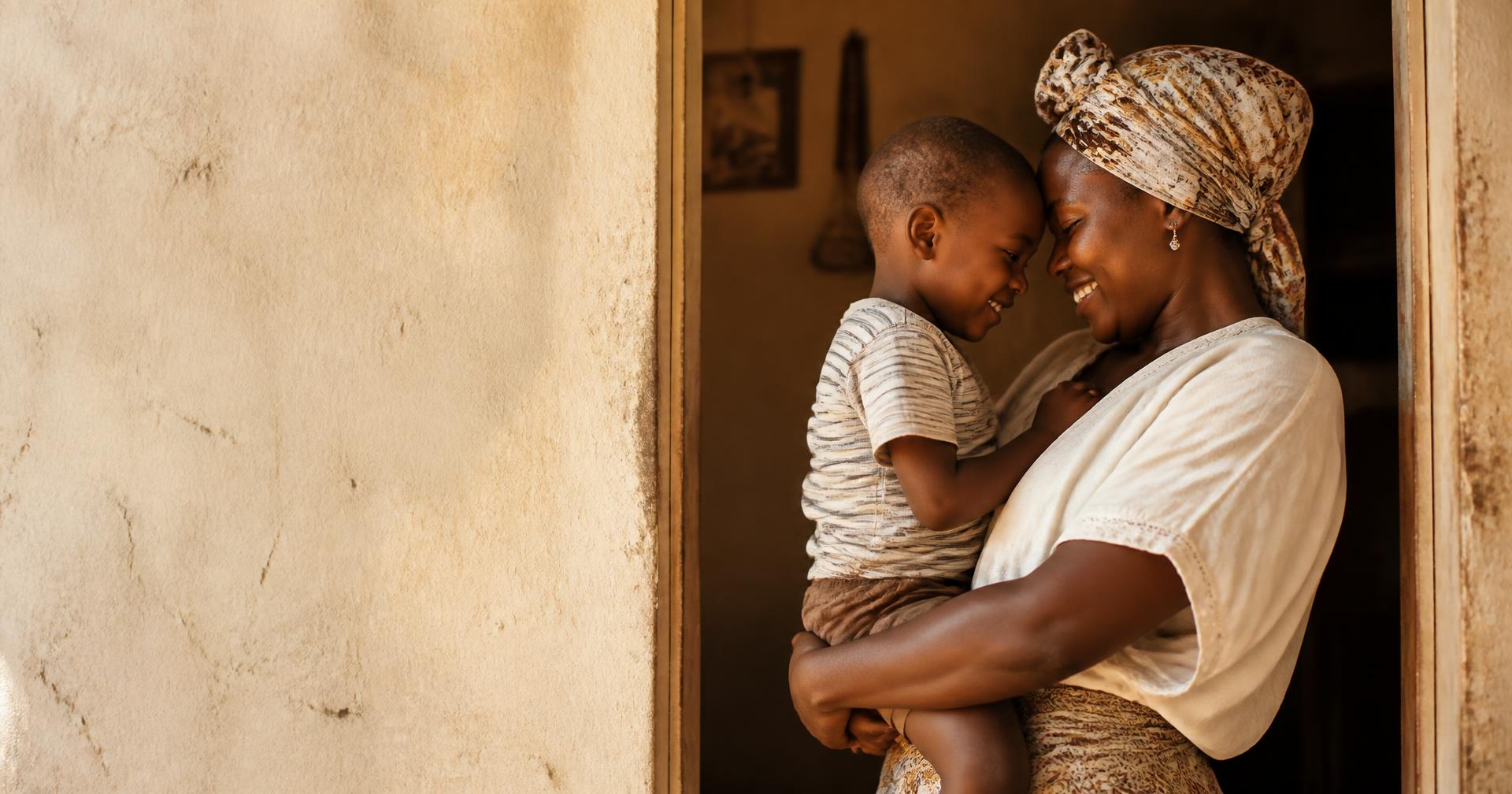
A mother holding her young son close in a sunlit doorway.

Your Child Is More Than a Score on an Assessment.

  • Because progress is more than getting an answer right.
  • It’s asking for what you need.
  • It’s sharing an idea.
  • It’s joining the conversation.
  • It’s telling someone, “No.”
  • It’s telling someone, “I love you.”
  • It’s being understood.
  • It’s belonging.

Finding your voice is a journey we take hand in hand together.

Contact Hand in Hand Speech Therapy